DIY Pet Crate Safety: Ensuring Your Pet's Comfort and Security
Understanding the Importance of Pet Crate Safety
For pet owners, ensuring the comfort and safety of their furry friends is a top priority. A well-constructed pet crate can provide a secure and comfortable space for your pet to rest. Whether you're traveling or simply need a safe place for your pet at home, understanding the essentials of DIY pet crate safety is crucial.
When designing or selecting a pet crate, it’s important to consider the size, materials, and ventilation. A crate that’s too small or made from weak materials could pose potential risks to your pet’s well-being. Conversely, a well-designed crate can offer a comforting space for your pet to relax and feel secure.
Choosing the Right Materials
Selecting the appropriate materials is a key step in creating a safe pet crate. Look for sturdy, non-toxic materials that can withstand both time and wear. Wood, metal, and high-quality plastics are common choices. Ensure that any paints or finishes used are safe for pets, as they may come into contact with them.
When using metal, ensure that there are no sharp edges that could injure your pet. If you’re opting for wood, make sure it’s sanded smoothly to prevent splinters. The durability of the materials will largely determine the crate's longevity and safety.
Ensuring Proper Ventilation
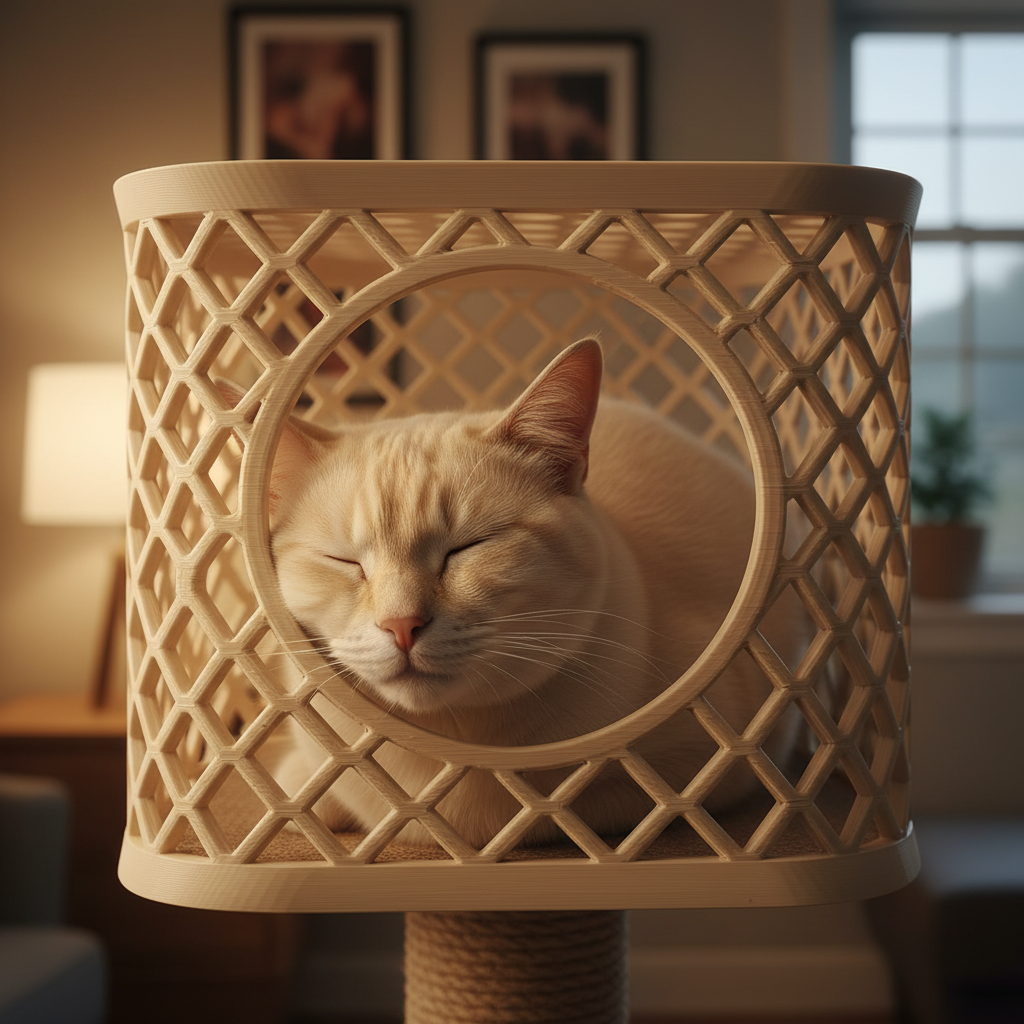
Ventilation is another crucial aspect of pet crate safety. Your pet needs access to fresh air to remain comfortable and healthy, especially if they’re spending extended periods inside the crate. When designing your crate, consider incorporating mesh panels or strategically placed holes to facilitate airflow.
However, be cautious about the size of the openings. They should be large enough to allow air circulation, but not so large that your pet could injure themselves by getting stuck.
Creating a Comfortable Environment
Comfort is as important as safety in a pet crate. A soft, washable bedding can make the crate more inviting. Choose bedding materials that are easy to clean and resistant to odors. This will not only keep your pet comfortable but also maintain hygiene within the crate.
Securing the Crate
Properly securing the crate is essential, especially during travel. Ensure that the crate is stable and won’t tip over easily. For travel, consider crates that can be securely fastened using seat belts or other restraint systems to prevent movement.
Inspect the locking mechanisms regularly to ensure they are functioning correctly. A faulty lock could allow your pet to escape, leading to potential danger.
Regular Maintenance and Inspection
Regular maintenance of the crate will help ensure its continued safety. Check for any wear and tear or damage that might compromise its integrity. Tighten screws, replace worn-out parts, and clean the crate regularly to keep it in top condition.
By following these guidelines, you can create a pet crate that not only keeps your pet safe but also provides them with a comfortable and secure environment. Remember, a happy pet is a healthy pet, and taking these steps will contribute significantly to their overall well-being.