Expert Insights: Ensuring Safe Air Travel for Your Pets
Understanding Pet Travel Regulations
When planning to travel by air with your pet, understanding the specific regulations is crucial. Airlines often have their own set of guidelines that dictate how pets should be transported. It's important to research these regulations well in advance to avoid any last-minute surprises. Generally, pets can either travel in the cabin or as cargo, depending on their size and the airline's policies.
Ensure your pet's vaccinations and health certificates are up-to-date. Most airlines require a health certificate issued by a veterinarian within 10 days of travel. This ensures that your pet is fit to fly and helps prevent any potential health risks to other passengers and animals.
Choosing the Right Carrier
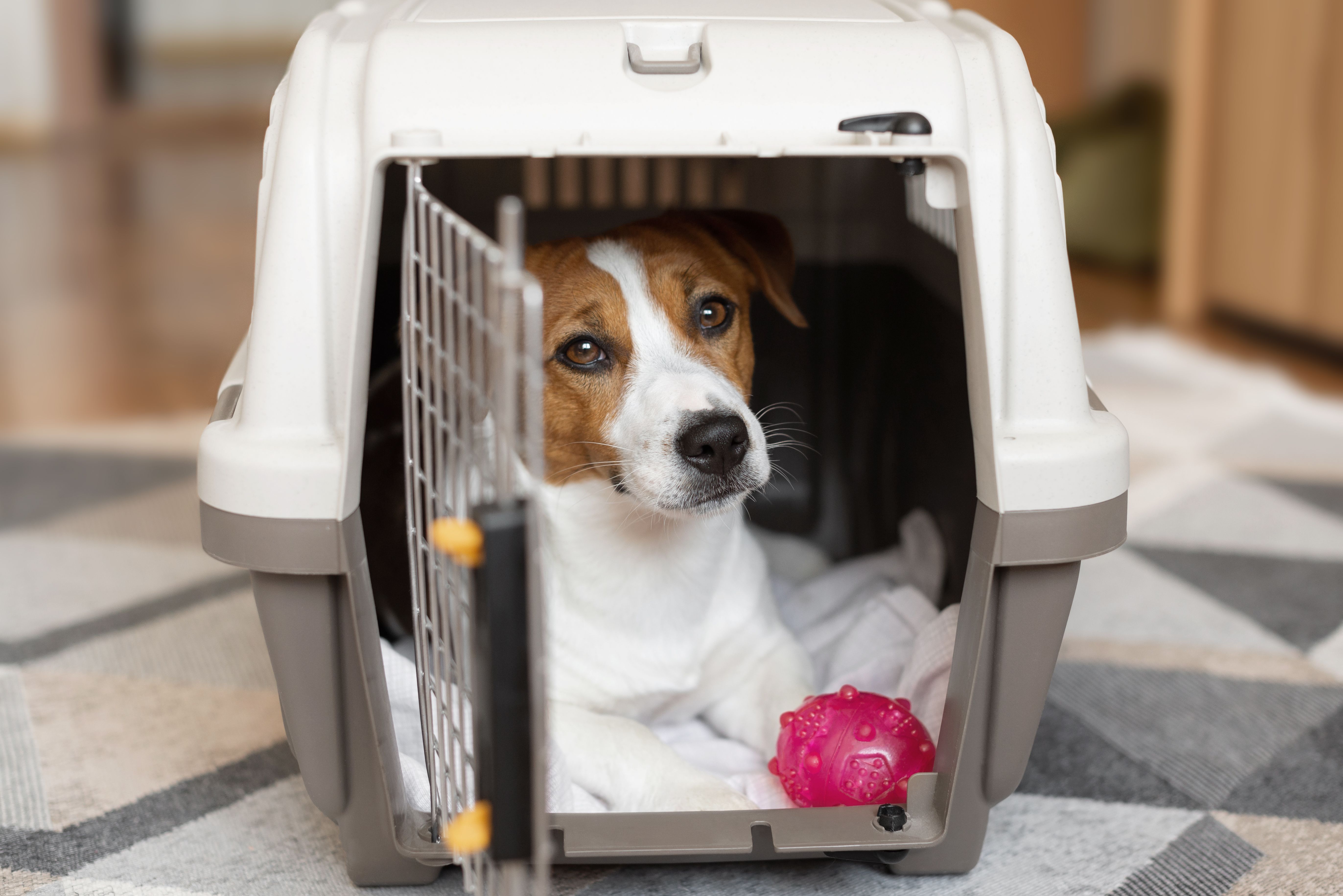
Investing in a high-quality pet carrier is essential for your pet's comfort and safety. The carrier should be well-ventilated, sturdy, and have enough space for your pet to stand, turn around, and lie down comfortably. Airlines have specific size requirements for carriers, especially if your pet will be traveling in the cabin.
Introduce your pet to the carrier ahead of time to help them get accustomed to it. Place familiar items like a blanket or toy inside to create a sense of security. This can help reduce anxiety during travel.
Preparing Your Pet for the Journey
Before the flight, ensure your pet is well-exercised and has had a chance to relieve themselves. Avoid feeding them a large meal right before departure to prevent motion sickness. Instead, offer a light meal a few hours before traveling.
During the flight, keep your pet calm by speaking softly and offering reassurance. If necessary, consult your veterinarian about anxiety-reducing options, such as calming collars or supplements.
Consider the Weather Conditions
Weather can significantly impact air travel for pets, especially if they are traveling as cargo. Extreme temperatures can pose a risk, so it's essential to consider the time of year and the climate of both departure and arrival locations. Some airlines have restrictions on pet travel during peak summer or winter months for this reason.

Booking and Check-In Tips
When booking your flight, inform the airline that you will be traveling with a pet. There are usually limited spots for pets in the cabin, so it's best to book early. During check-in, allow extra time to process any necessary paperwork and inspections.
Once at the airport, keep your pet's identification tags up-to-date, and ensure their carrier is labeled with your contact information. This is crucial in case you become separated at any point during the journey.
Post-Flight Care
After landing, prioritize your pet's comfort and well-being. Offer them water and allow them to stretch and relieve themselves as soon as possible. Monitor them for any signs of stress or discomfort, and consult a veterinarian if you have any concerns.
Traveling with your pet can be a rewarding experience when done safely and thoughtfully. By following these expert insights, you can ensure a smooth and secure journey for your beloved companion.