Navigating UK Regulations for Pet Air Travel: What You Need to Know
Understanding the Basics of Pet Air Travel Regulations
Traveling with pets can be a complex process, especially when crossing international borders. In the UK, specific regulations ensure the safety and well-being of animals during air travel. Understanding these rules is crucial for a smooth journey. The regulations cover various aspects, including pet identification, vaccinations, and carrier requirements.

Pet Passports and Identification
Before embarking on air travel, your pet must have a valid pet passport. This document is essential for travel within and outside the European Union. It includes critical information such as the pet's microchip number, vaccinations, and health status. Ensure your pet is microchipped and the details are up-to-date to avoid any last-minute issues.
Vaccination Requirements
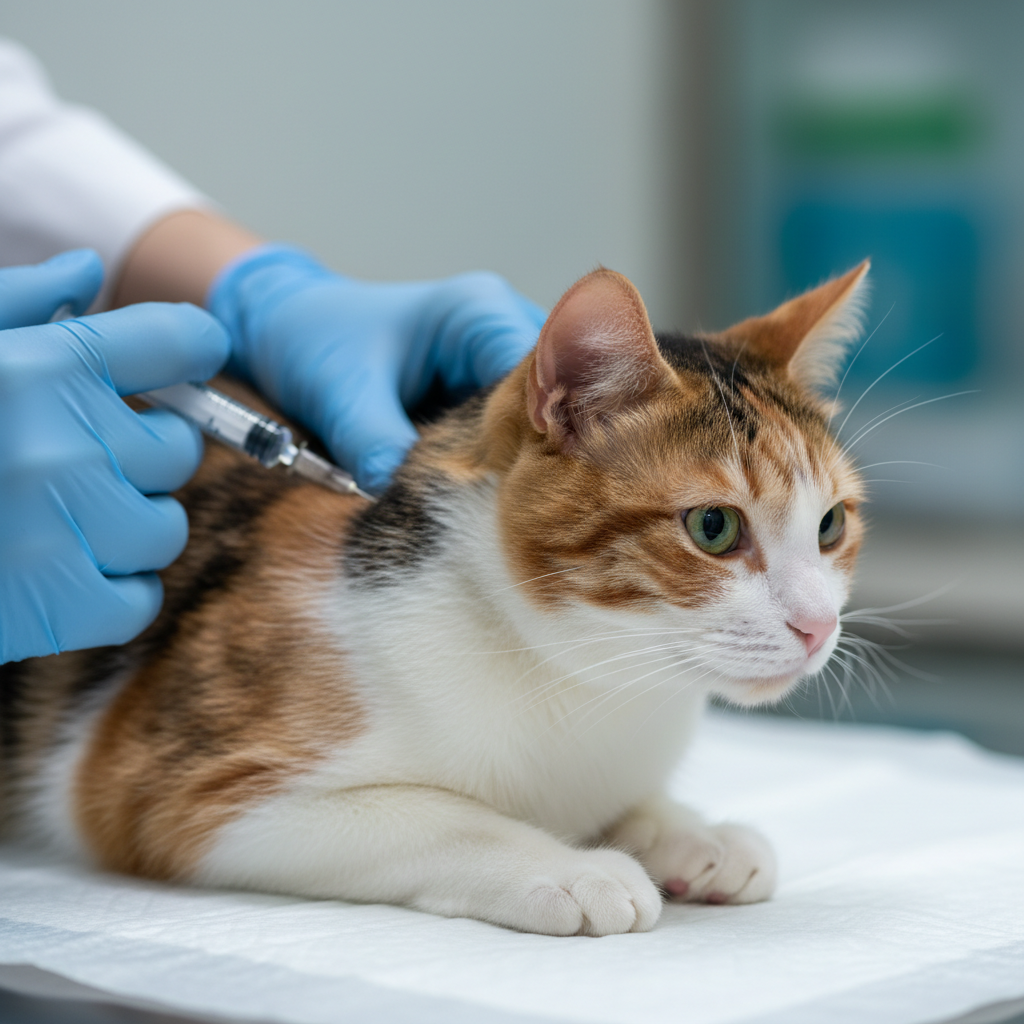
Vaccinations are a vital part of preparing your pet for air travel. In the UK, pets must be vaccinated against rabies at least 21 days before travel. This is a mandatory requirement for entering or leaving the country. Keep a record of all vaccinations in your pet's passport to ensure compliance with international protocols.
Preparing Your Pet for the Journey
Getting your pet ready for travel involves more than just paperwork. It's essential to prepare them physically and mentally for the journey. Familiarize your pet with their travel carrier well in advance, and ensure it meets the airline's size and safety requirements. This will help reduce anxiety and ensure a more comfortable trip.
Choosing the Right Carrier
Selecting the appropriate carrier is crucial for your pet's safety and comfort. The carrier should be well-ventilated, sturdy, and spacious enough for your pet to stand, turn, and lie down comfortably. Airlines have specific guidelines, so check with your carrier to ensure compliance.
Health Check and Vet Consultation
Before traveling, visit your vet for a thorough health check. This is an opportunity to discuss any concerns and ensure your pet is fit to fly. Your vet can also provide advice on managing travel anxiety and any necessary medications. Having a health certificate from your vet can also be beneficial, especially for international travel.

Understanding Airline Policies
Each airline has its own policies regarding pet travel. These policies can vary significantly, so research and understand the rules of the airline you plan to use. This includes weight restrictions, carrier dimensions, and any additional fees. Some airlines allow pets in the cabin, while others only permit them in the cargo hold.
Booking and Reservations
When booking your flight, inform the airline about your pet. It's advisable to make reservations well in advance, as airlines often have a limit on the number of pets allowed per flight. Early booking ensures your pet has a confirmed spot and helps you prepare adequately for the journey.
Arriving and Navigating Customs
Upon arrival in the UK, ensure you have all necessary documentation ready for customs checks. The pet's passport, vaccination records, and health certificates should be easily accessible. Customs officers may need to verify these documents, so having them organized will expedite the process.

By understanding and adhering to these regulations, you can ensure a stress-free and enjoyable travel experience for both you and your pet. Proper preparation and knowledge of the rules will help you navigate the complexities of pet air travel with confidence.