Understanding Animal Transport Logistics in the UK
The Importance of Animal Transport Logistics
Transporting animals across the UK involves a complex web of logistics that ensures the safe and humane movement of livestock, pets, and exotic creatures. Whether for agricultural purposes, relocation, or conservation efforts, understanding the intricacies of animal transport is crucial for all stakeholders involved. Compliance with regulations and ensuring animal welfare are at the forefront of these operations.
The logistics of animal transport in the UK require a thorough understanding of legal requirements. The government has established stringent guidelines to safeguard animal health and welfare during transit. This includes ensuring that transport vehicles are suitable for the specific type of animals being moved and that the journey is as stress-free as possible.
Key Regulations in Animal Transport
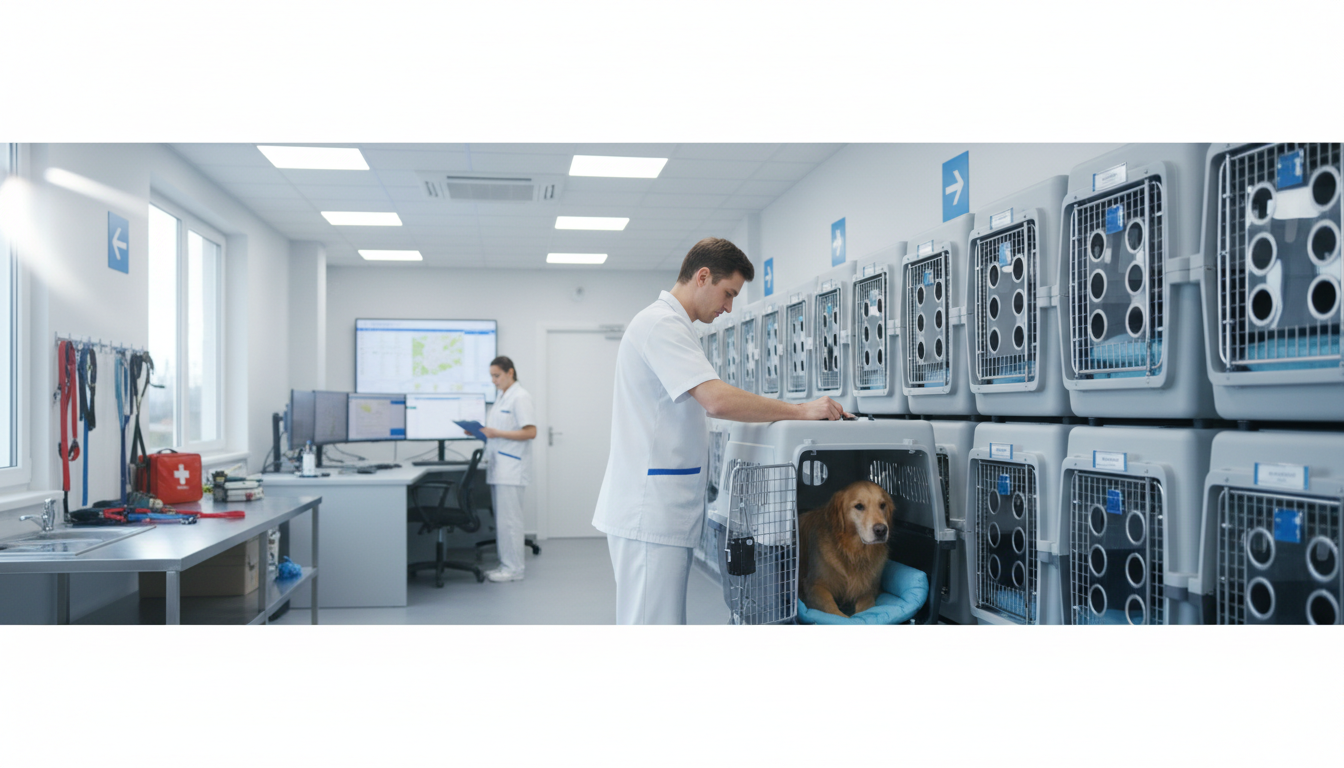
One of the primary regulations governing animal transport in the UK is the Animal Welfare Act 2006. This act mandates that animals must be transported in a manner that avoids unnecessary suffering. Additionally, specific EU regulations still influence UK standards, especially concerning long-distance journeys.
Transporters need to be aware of the requirements for vehicle inspections, driver qualifications, and journey planning. These elements ensure the safety and welfare of the animals, as well as compliance with legal standards. Transporters are also required to keep detailed records of journeys, including route plans and contingency measures.

Types of Animal Transport
There are several types of animal transport logistics, each with unique challenges and requirements. The most common categories include livestock transport, pet relocation, and the movement of exotic animals for zoos or conservation projects. Each type requires specific knowledge and equipment to handle the animals safely.
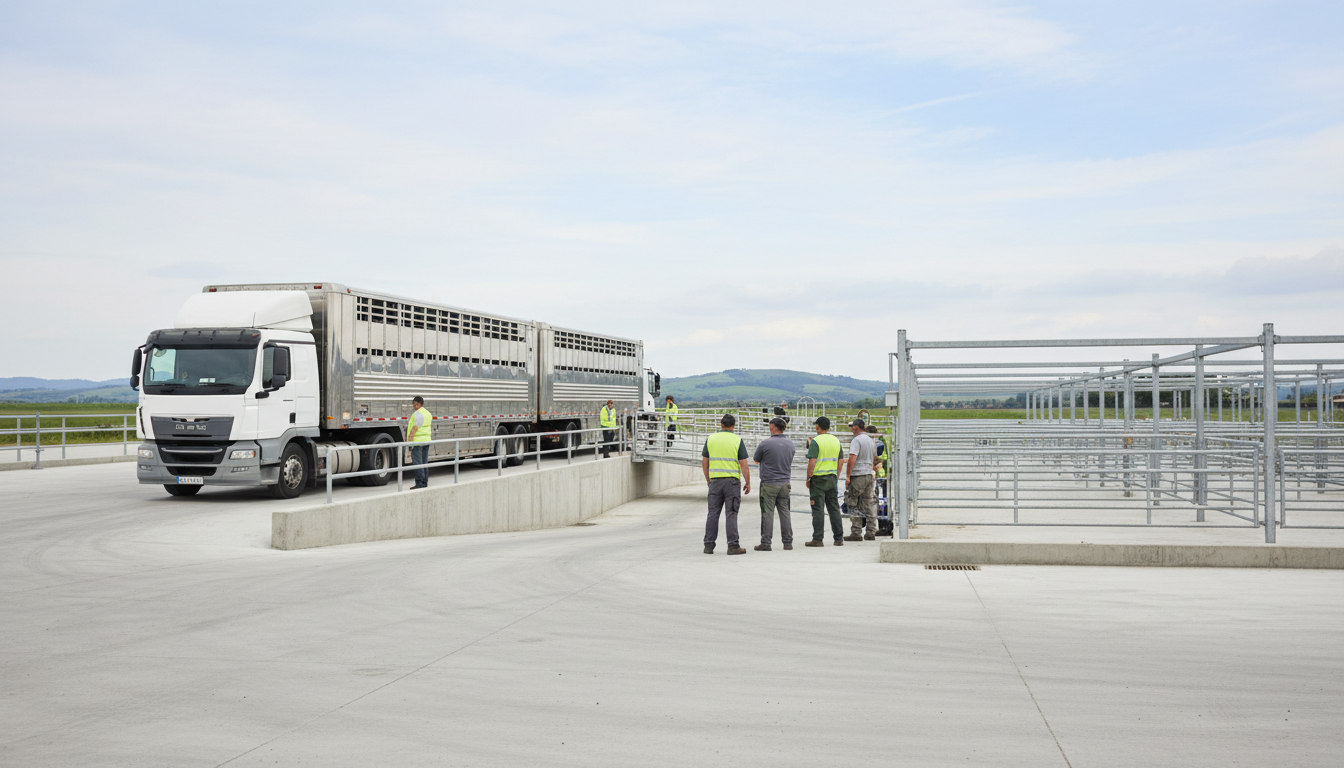
Livestock transport, for example, involves moving large numbers of animals such as cattle, sheep, or pigs. This process requires specialized vehicles that provide adequate ventilation and space. Pet relocation, on the other hand, often involves smaller, more individualized modes of transport, prioritizing the comfort and safety of beloved family pets.
Challenges in Animal Transport
Transporting animals presents numerous challenges that can impact the logistics process. One major concern is the stress animals may experience during transit. Stress can lead to health issues, making it essential for transporters to minimize disruptions and maintain a calm environment.
Weather conditions, traffic delays, and unexpected emergencies also pose challenges. Transporters must be prepared to handle these situations with contingency plans that prioritize the welfare of the animals. Proper training and experience are essential for those involved in animal transport to ensure they can manage any issues that arise.

Ensuring Animal Welfare During Transport
Animal welfare is at the heart of transport logistics. It involves not only compliance with legal standards but also the implementation of best practices that prioritize the health and comfort of animals. This includes ensuring access to water and food, appropriate rest periods, and gentle handling techniques.
Innovations in transport technology, such as climate-controlled vehicles and monitoring systems, are enhancing the ability to maintain high welfare standards. These technologies help transporters monitor conditions and make necessary adjustments during the journey, significantly improving the experience for the animals.
The Role of Technology in Animal Transport
Technology is playing an increasingly important role in animal transport logistics. Advanced tracking systems allow for real-time monitoring of animal locations, ensuring that all parties involved are informed of the journey's progress. This transparency is crucial for maintaining trust between transporters, clients, and regulatory bodies.
Moreover, technology also aids in planning efficient routes, reducing travel time, and minimizing stress for the animals. By leveraging data analytics, transporters can optimize logistics strategies, making animal transport safer and more efficient.